
custom frameless mirror
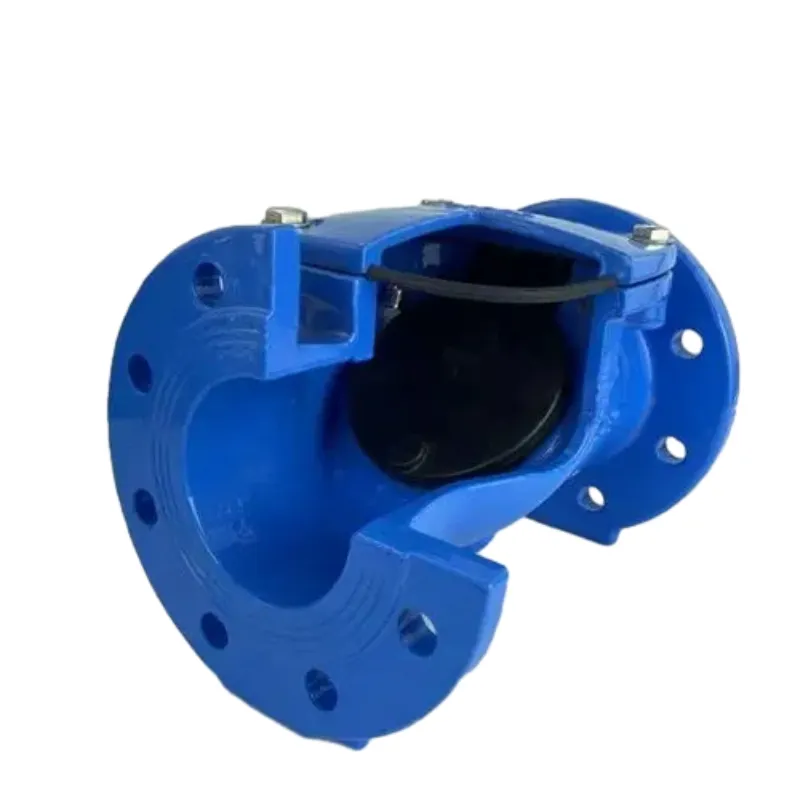
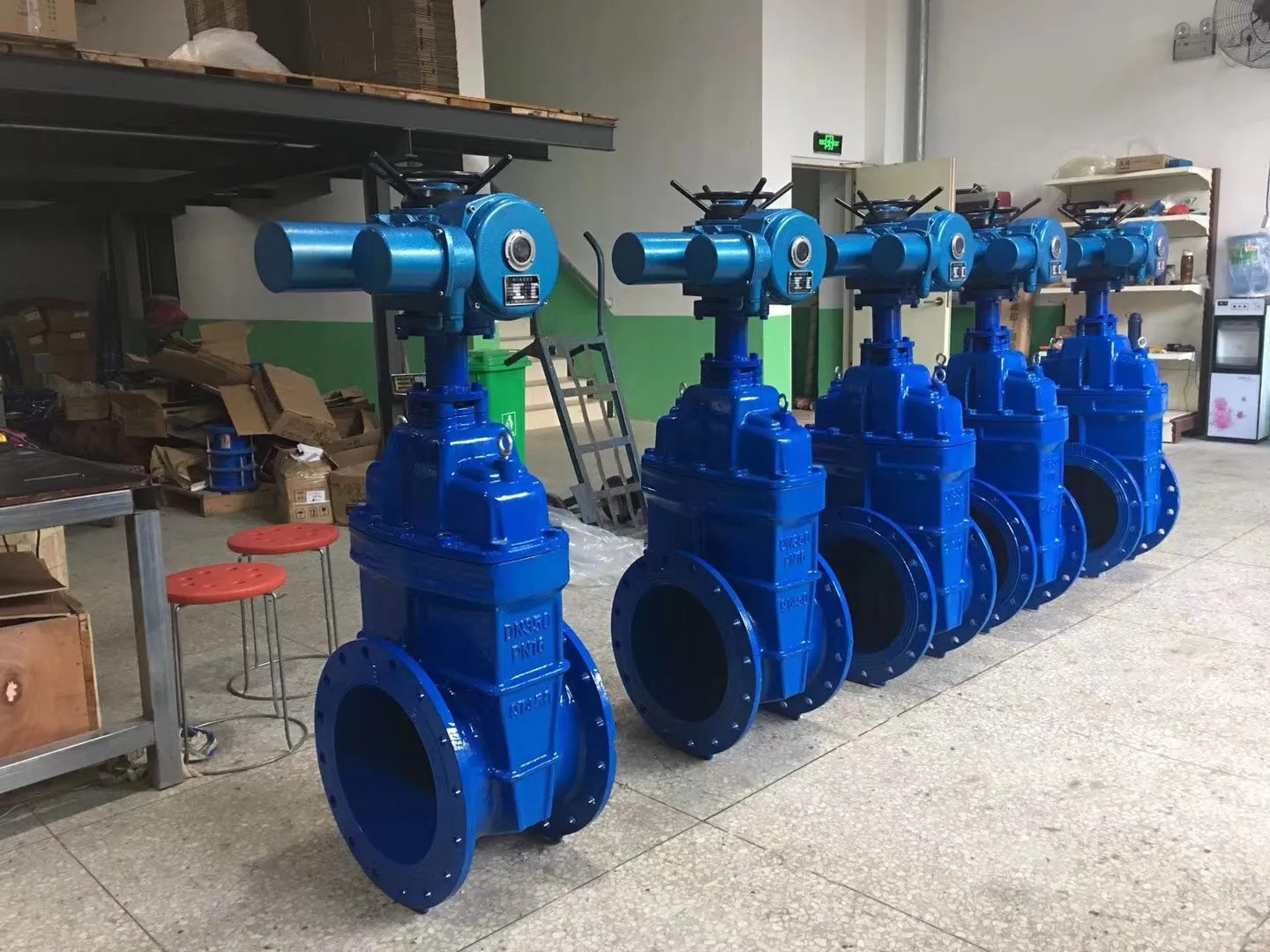
Introduction to Slow Closing Check Valves In modern industrial and hydraulic systems, the slow closing check valve plays a critical role in ensuring smooth operation and preventing system damage. These valves are designed to control the flow of fluids, such as water or other liquids, by allowing flow in one direction while preventing backflow. The 300X slow-closing muffler check valve from Storaen (Cangzhou) International Trading Co. stands out for its innovative design and superior performance. This article explores the features, advantages, technical specifications, and applications of this advanced valve, as well as the company behind it. Key Features of the 300X Slow-Closing Muffler Check Valve The 300X slow-closing muffler check valve is engineered with a novel structure that ensures optimal functionality. One of its standout features is the good sealing effect , which minimizes leakage and maintains system integrity. Additionally, the valve offers low resistance and large flow , allowing for efficient fluid movement without significant pressure loss. Its long service life makes it a cost-effective solution for industrial applications. Another notable feature is the valve's ability to control the speed of opening or closing the main valve . This adaptability allows the valve to be adjusted to suit specific site conditions, ensuring it operates at its best working condition . The muffling effect achieved through the reduction of water hammer phenomena further enhances its performance, protecting the system from potential damage caused by sudden pressure changes. Advantages of the Slow Closing Check Valve The slow closing check valve offers several advantages that make it a preferred choice in various industries. Its high sealing performance ensures minimal maintenance and downtime, while its low resistance and large flow capacity contribute to energy efficiency. The valve's adjustable speed control allows for precise operation, making it suitable for complex systems where fluid dynamics must be carefully managed. Furthermore, the muffling effect of the 300X model significantly reduces noise and vibration, which is crucial in environments where operational noise must be minimized. This feature, combined with its long service life , ensures that the valve remains a reliable component of the system over time. Technical Specifications Table Parameter Specification Model 300X Slow-Closing Muffler Check Valve Structure Novel design for optimal performance Sealing Effect High-efficiency sealing to minimize leakage Flow Resistance Low resistance for efficient fluid movement Flow Capacity Large flow rate to accommodate high-volume systems Adjustability Speed control for site-specific optimization Water Hammer Reduction Muffling effect to mitigate pressure surges Service Life Extended durability for long-term use Application Scenarios for the Slow Closing Check Valve The slow closing check valve is widely used in various industrial and hydraulic applications. Its ability to control flow and reduce water hammer makes it ideal for use in hydraulic systems , where precise fluid management is essential. It is commonly found in water supply systems , pumping stations , and industrial pipelines . In addition to these applications, the valve is also suitable for process industries where fluid dynamics must be carefully controlled. Its adjustable speed control allows it to adapt to different operational conditions, making it a versatile solution for complex systems. The muffling effect also makes it a preferred choice in environments where noise reduction is a priority, such as residential areas or commercial buildings . About Storaen (Cangzhou) International Trading Co. Storaen (Cangzhou) International Trading Co. is a reputable company specializing in the supply of high-quality industrial components, including the slow closing check valve . With a focus on innovation and customer satisfaction, the company has established itself as a trusted provider in the field of hydraulic and industrial equipment. Their commitment to excellence is reflected in the 300X slow-closing muffler check valve , which combines advanced engineering with practical functionality. Storaen (Cangzhou) International Trading Co. serves a global clientele, offering solutions tailored to the specific needs of various industries. Their products are designed to meet the highest standards of performance and reliability, ensuring that they can withstand the demands of modern industrial environments. The company's dedication to quality and innovation has made it a preferred partner for businesses seeking efficient and durable hydraulic solutions. Conclusion The slow closing check valve from Storaen (Cangzhou) International Trading Co. is a testament to advanced engineering and practical design. With its novel structure , good sealing effect , and muffling capabilities , this valve offers a reliable solution for a wide range of applications. Whether used in water supply systems or industrial pipelines , the 300X model ensures efficient and safe operation. For more information about the slow closing check valve and other products from Storaen (Cangzhou) International Trading Co., visit their official website . Their commitment to quality and innovation makes them a valuable partner for businesses seeking reliable hydraulic solutions. Product Image Gallery Read More About hydraulic check valve types References 1. National Institute of Standards and Technology (NIST) provides guidelines for hydraulic system standards, which can be referenced for further technical details on fluid dynamics and valve performance. For authoritative information on industrial equipment, NIST's technical publications are a reliable source.
about
custom frameless mirror
Industrial gauges are the backbone of precision measurement in sectors ranging from aerospace to energy production. Their reliability hinges on meticulous material selection , which directly impacts their performance in extreme environments. This article explores the interplay between different measuring tools , engineering measuring tools , and industrial measurement tools , focusing on how gauge measurement tool designs address durability challenges. From advanced alloys to innovative coatings, we dissect the science behind materials that withstand corrosion, abrasion, and thermal stress while maintaining metrological integrity. Different Measuring Tools: Material Adaptability Across Applications The diversity of different measuring tools —from calipers to laser scanners—demands tailored material strategies. For instance, calipers used in high-humidity environments often employ stainless steel with chromium additives to resist oxidation, while laser-based engineering measuring tools may incorporate lightweight titanium alloys for portability without sacrificing structural integrity. In extreme temperatures, materials like tungsten carbide or advanced copper-tantalum-lithium alloys (Cu-3Ta-0.5Li) demonstrate exceptional thermal stability, maintaining dimensional accuracy even near melting points. Such alloys mimic the strengthening mechanisms of nickel-based superalloys, offering creep resistance ideal for aerospace components. Surface treatments, such as electroless nickel plating, further enhance wear resistance in gauge measurement tools exposed to abrasive conditions. Emerging trends include the use of ceramic-matrix composites in calipers for high-temperature foundries, where traditional metals would warp or degrade. Engineering Measuring Tools: Balancing Precision and Environmental Resilience Engineering measuring tools like coordinate measuring machines (CMMs) and optical strain systems rely on materials that minimize thermal expansion. Aluminum alloys with silicon carbide reinforcements are popular for their low coefficient of thermal expansion, ensuring accuracy in fluctuating temperatures. For non-contact optical systems, corrosion-resistant coatings on lenses and sensors prevent degradation in humid or chemically aggressive settings. The integration of digital image correlation (DIC) technology in industrial gauges highlights the need for materials with stable surface textures. Stainless steel or anodized aluminum substrates ensure consistent speckle patterns for strain analysis, even under dynamic loads. Additionally, polymers like polyether ether ketone (PEEK) are gaining traction in handheld engineering measuring tools due to their electrical insulation properties and resistance to chemical exposure. For example, PEEK-based micrometers are increasingly used in petrochemical plants where hydrocarbon exposure would degrade conventional plastics. Gauge Measurement Tool: Material Innovations for Extreme Conditions Gauge measurement tools operating in harsh environments—such as offshore oil rigs or chemical plants—require materials that withstand corrosion, pressure, and thermal cycling. Duplex stainless steels, combining austenitic and ferritic structures, offer superior chloride resistance, making them ideal for marine applications. For high-stress scenarios, such as turbine blade inspections, industrial gauges leverage ceramic-matrix composites. These materials retain hardness at elevated temperatures while resisting oxidation, outperforming traditional steel alloys. In nuclear facilities, zirconium alloys are preferred for their low neutron absorption and radiation resistance, ensuring long-term stability in industrial measurement tools . Recent advancements include graphene-infused polymers for lightweight, conductive gauges used in electrostatic-sensitive environments like semiconductor cleanrooms. Industrial Measurement Tools: Durability Through Advanced Material Science The longevity of industrial measurement tools hinges on strategic material pairings. For example, carbide-tipped probes in dimensional gauges resist wear in high-contact applications, while their steel bodies provide cost-effective structural support. In cryogenic environments, nickel-based superalloys prevent brittle fracture, maintaining ductility at subzero temperatures. Surface engineering plays a pivotal role. Laser-clad coatings on industrial gauges enhance hardness without compromising bulk material toughness, ideal for mining equipment exposed to particulate abrasion. Similarly, hydrophobic coatings on electronic engineering measuring tools mitigate moisture ingress, preserving circuitry in humid settings. Innovations like self-healing coatings—activated by minor scratches—are being tested to extend the service life of gauge measurement tools in remote or inaccessible installations. FAQS: Material Selection for Industrial Gauges How do material choices affect the accuracy of different measuring tools in high-temperature environments? Materials with low thermal expansion coefficients, such as Invar or silicon carbide-reinforced aluminum, minimize dimensional drift in engineering measuring tools . High-temperature alloys like Cu-Ta-Li also resist creep, ensuring stable measurements during prolonged heat exposure. Why are composite materials gaining popularity in gauge measurement tool designs? Composites combine properties like lightweight durability and corrosion resistance, critical for industrial measurement tools in aerospace and marine sectors. Carbon-fiber-reinforced polymers, for instance, reduce weight while maintaining stiffness, enabling portable yet robust gauges for fieldwork. What material factors ensure the longevity of industrial gauges in corrosive settings? Chromium-rich stainless steels, titanium alloys, and corrosion-resistant coatings (e.g., PTFE) form passive oxide layers, shielding industrial gauges from chemical attack. Regular maintenance, such as ultrasonic cleaning, further prevents pitting and surface degradation. How do surface treatments enhance the performance of engineering measuring tools? Treatments like nitriding or diamond-like carbon (DLC) coatings reduce friction and wear in gauge measurement tools , extending service life in abrasive environments. These layers also improve resistance to galling in threaded gauges. Can industrial measurement tools maintain precision under vibrational loads? Damping materials such as magnesium alloys or viscoelastic polymers absorb vibrations, ensuring stability in engineering measuring tools used in heavy machinery. Structural designs with reinforced ribs or honeycomb cores further mitigate resonance effects. By aligning material science with operational demands, engineers can optimize industrial gauges for resilience and precision. From alloy innovation to surface engineering, these strategies ensure that industrial measurement tools meet the rigors of modern industry while advancing measurement accuracy. As industries push into harsher environments—from deep-sea exploration to space manufacturing—the evolution of materials will remain central to the next generation of gauge measurement tool reliability.
-

High quality industrial productsagement

High quality industrial products
View Details -

Meet the diverse needs of customers

Meet the diverse needs of customers
View Details -

Strict quality control

Strict quality control
View Details -

Top raw materials

Top raw materials
View Details -

Trusted supplier

Trusted supplier
View Details
Our application

news and information
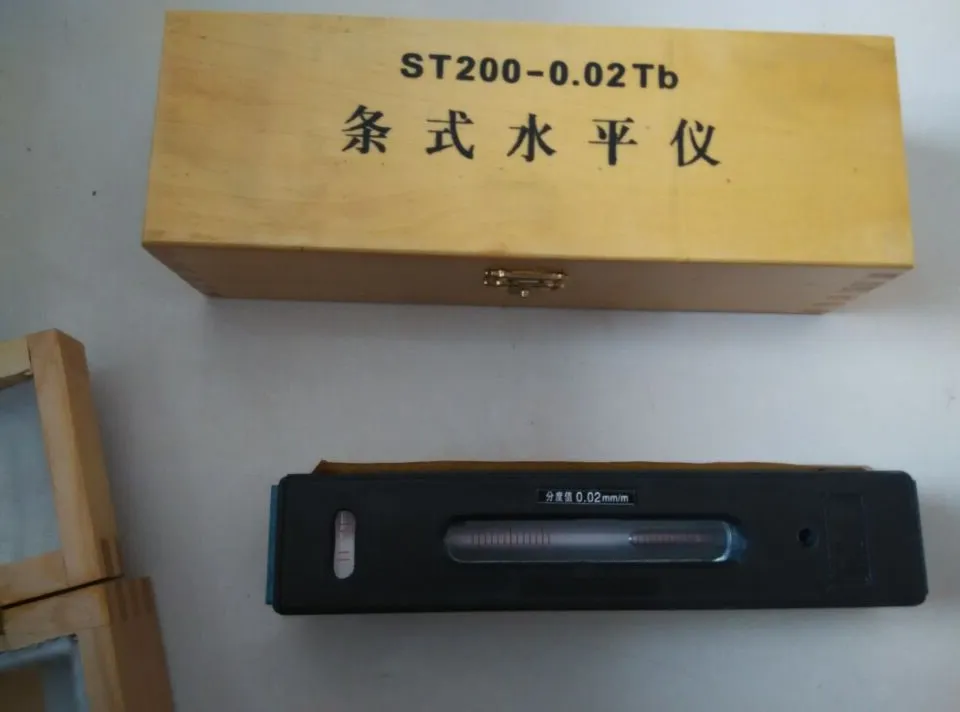
Versatile and Precision Adjustable Thread Gauge for Accurate Measurement of Screw Threads
Understanding Adjustable Thread Gauges A Comprehensive Overview Adjustable thread gauges are essenti
Y Type Strainer Filters for Efficient Fluid Filtration Solutions
Understanding Y-Type Strainer Filters A Comprehensive Overview In various industrial applications, e

Versatile Six-Sided Aluminum Alloy Angle Measurement Tool for Precision Applications
The Versatility of Six-Sided Aluminum Alloy Angle Measuring Tools In the world of precision measurem
 English